

Cast iron vs. aluminum piston compressors

July 23, 2020
5 minutes

Piston compressors are the oldest and most common type of industrial air compressors, relying on the principle of positive displacement to increase the pressure of the enclosed volume of gas or air. While found in a wide variety of places, these compressors are most often in DIYers' garages, hobby workshops, and full-service auto body and mechanic shops. They’re versatile - available in a variety of configurations, including single-acting, double-acting, oil-lubricated or oil-free. They’re economical – cheaper than rotary screw compressors technologies. And they’re sometimes portable – the utility infielder of the working world.

Piston compressor material types

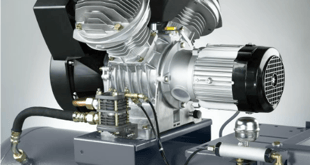
With a piston air compressor, the type of material involved refers to the metal used in the pump or shaft that surrounds the piston. These compressors are typically constructed of one of two materials – cast iron or aluminum. We’re going to give a quick breakdown of the differences between the two. First, let’s look at the characteristics of these two common and versatile materials.

  1. Cast iron piston compressors. Cast iron has excellent compressive strength, or the ability to withstand loads that would reduce its size. It is a perfect shock absorber! Piston compressors made of cast iron also have long service intervals and feature a high cooling performance. Because it is very durable and much heavier than aluminum, cast iron is the perfect material for compressors that need to operate in heavy duty environments and extreme conditions.

  2. Aluminum piston compressors. Aluminum is low density and therefore low weight; it also has high strength, superior malleability, easy machining, excellent corrosion resistance, and good thermal and electrical conductivity. Its low density also makes it the ideal material for lightweight compressors that are easier to transport, install, and move around.

Why is cast iron a preferred material for air compressors?

Cast iron has been a trusted material in air compressor manufacturing for well over a century, and for good reason. Its unique combination of mechanical properties makes it exceptionally well suited for the demanding conditions inside a piston compressor. Here's a closer look at what makes cast iron air compressors stand out: 

Durability and wear resistance One of the most significant advantages of a cast iron air compressor is its exceptional durability. Cast iron cylinder walls are naturally harder and more wear-resistant than aluminum, which means they hold up better over long periods of continuous or heavy-dutyuty operation. The inherent hardness of cast iron reduces the rate at which cylinder walls wear down over time, resulting in better compression efficiency and a longer service life compared to aluminum alternatives. 

Heat dissipation Cast iron has superior heat retention and dissipation properties compared to aluminum. In a piston air compressor, the compression process generates significant heat, and the ability of the compressor's cylinders and pump components to manage that heat directly impacts performance and longevity. Cast iron's thermal properties allow it to absorb and gradually release heat more evenly, reducing the risk of thermal stress on internal components during prolonged operation. 

Vibration dampening Cast iron is an excellent vibration dampener, a property that is particularly valuable in reciprocating piston compressors, where the back-and-forth motion of the pistons naturally generates vibration. By absorbing and dampening these vibrations, cast iron air compressors tend to run more smoothly, produce less operational noise, and experience less mechanical stress on their components over time compared to their aluminum counterparts. 

Long service intervals Because cast iron cylinder walls are harder and more resistant to wear, cast iron air compressors typically require less frequent maintenance and can operate for longer periods between service intervals. This makes them a highly cost-effective choice for industrial and commercial applications where minimizing downtime and maintenance costs is a priority. 

Is cast iron or aluminum better for my application?

Ultimately, performance and durability are what matters the most. Mobility and ease of use are the other primary issues to consider. The general rule of thumb for choosing between aluminum and cast iron is this: if you need a small, flexible compressor that will be frequently moved from location to location, then aluminum is probably the material of choice. But if durability is most important to you, the compressor will be stationary, and it’s required to function reliably in tough conditions, then you will likely choose a cast iron model.

Want more information on our range of cast iron and aluminum piston compressors? Visit us at www.atlascopco.com/air-usa!

Frequently asked questions

What is a cast iron air compressor?
A cast iron air compressor is a piston compressor in which the pump cylinders and key structural components are constructed from cast iron. Cast iron's exceptional compressive strength, wear resistance, and vibration dampening properties make it a preferred material for air compressors designed for heavy duty industrial, commercial, and workshop applications. Cast iron air compressors are built to withstand demanding operating conditions and deliver reliable performance over an extended service life.
What are the advantages of a cast iron air compressor?
Cast iron air compressors offer several key advantages over aluminum models. Their harder cylinder walls resist wear more effectively, resulting in longer service intervals and better compression efficiency over time. Cast iron's natural vibration dampening properties make these compressors run smoother and quieter under load. They also handle heat dissipation well during prolonged operation, reducing the risk of thermal stress on internal components. For heavy duty, stationary applications where durability and longevity are the priority, a cast iron air compressor is typically the superior choice.
How long does a cast iron air compressor last?
With proper maintenance, a cast iron air compressor can last significantly longer than an aluminum model, often well over a decade in commercial or industrial use. The wear-resistant properties of cast iron cylinder walls mean the compressor maintains consistent performance for longer between rebuilds or component replacements. Regular oil changes, filter maintenance, and adhering to the manufacturer's service schedule are the most important factors in maximizing the lifespan of a cast iron air compressor.
Is a cast iron air compressor better than an aluminum one?
Neither is universally better; the right choice depends on your application. Cast iron air compressors excel in heavy duty, stationary environments where durability, long service intervals, and reliable performance under continuous use are critical. Aluminum compressors are the better choice when portability, light weight, and ease of transport are the priority. If your compressor will stay in one place and work hard every day, cast iron is likely the better long-term investment. If you need flexibility and mobility, aluminum is more practical.
Can a cast iron air compressor be used in extreme conditions?
Yes, in fact, extreme conditions are where cast iron air compressors truly shine. Cast iron's compressive strength, heat management properties, and wear resistance make it well suited for demanding environments such as full-service auto body shops, manufacturing facilities, and heavy industrial settings where the compressor is expected to run frequently, handle high pressures, and endure tough operating conditions. Its durability under stress is one of the primary reasons cast iron remains the material of choice for serious industrial air compressor applications.
Are cast iron air compressors heavier than aluminum models?
Yes, cast iron is significantly heavier than aluminum, which is one of the trade-offs of choosing a cast iron air compressor. The added weight makes cast iron models less practical for applications that require frequent relocation or portability. However, for stationary installations, the weight is rarely a disadvantage, and the superior durability, wear resistance, and longevity that cast iron offers more than compensate for the additional mass in most heavy-duty applications.
How do I maintain a cast iron air compressor?
Maintaining a cast iron air compressor involves several key practices. Regularly check and change the oil to ensure proper lubrication of the cylinders, pistons, and bearings. Inspect and replace the air filter as needed to prevent contaminants from entering the compression chamber. Drain the tank regularly to remove moisture buildup, which can cause internal corrosion over time. Check for oil leaks, unusual vibrations, or changes in performance that may indicate wear on internal components. Following the manufacturer's recommended service intervals is the most reliable way to protect your investment and keep your cast iron air compressor running at peak performance for years to come. 


Contact Us Today


blog-cta-img

Why is hydrogen difficult to compress?

December 5, 2024
Clock5 min
Atlas Copco
Contact us today with any questions you may have.
employee-img

Stay in the know:
Subscribe to
our blog.

Learn how-tos and best practices from industry experts. Whether you are learning about how your compressed air system works, optimising how your air compressor works or looking to increase your compressor energy efficiency, our blog has all the answers.